
Caring for the Minds That Matter
Our team spent a full day at the old-age home, sitting with the women who live there, listening to their stories and sharing practical, caring information about mental health. No registrations, no forms — just presence, patience and real conversation.
Scroll to explore the camp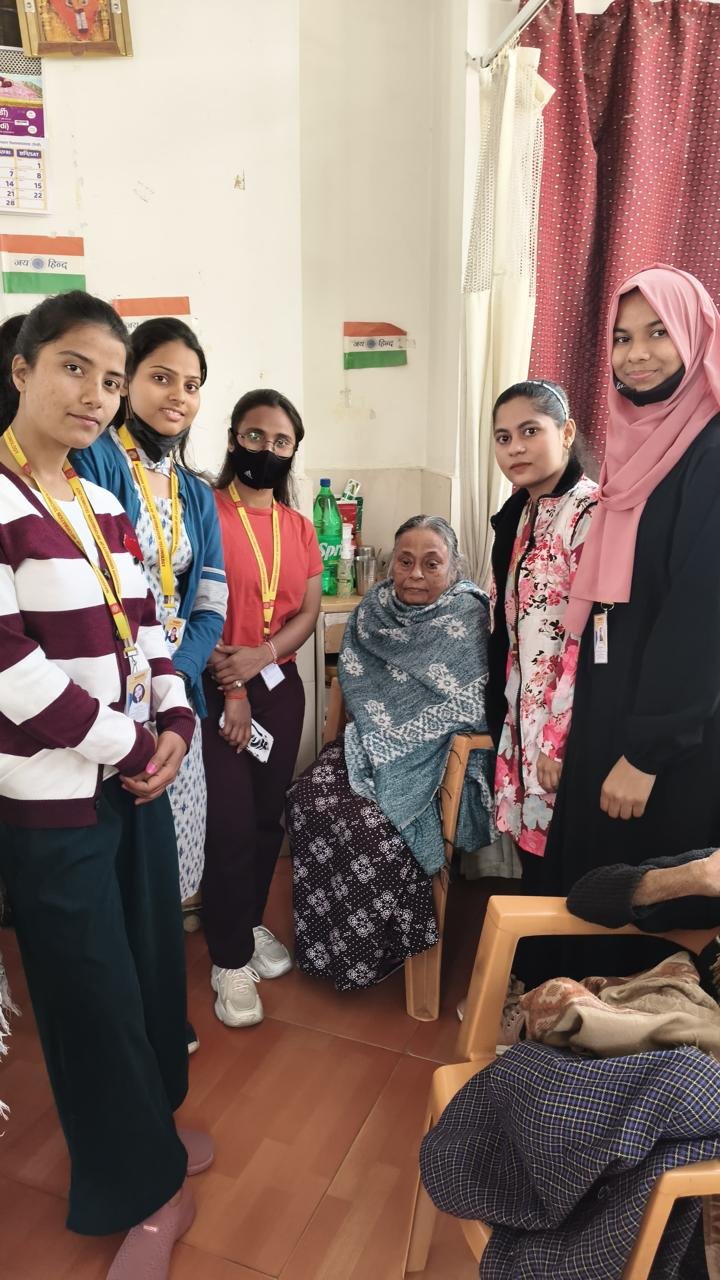
Age brings wisdom. It can also bring loneliness.
Most of the women at our old-age home have spent decades raising families and serving others. Very few have ever been asked how they are feeling — or been given the words to describe it.
When our field team visited the old-age home for a regular welfare check, they noticed something that the usual medical rounds never capture: women who were physically cared for, but emotionally unheard. Loneliness after losing a spouse, sleepless nights, worries about money and health, and a deep, unspoken sadness that many had normalised as simply "old age".
So we built a different kind of programme — not a health camp, but a mental health awareness session designed around elderly women: slow, in their language, with time for every story to be finished. We spoke about what depression and anxiety really feel like, and what can be done about them.
"When we sat down with them and simply listened, one after another, the silence in that room finally broke. That was the real work of the day."
Mental Health Counselor — Divyakriti Foundation (placeholder quote — please replace)Living in isolation
Many have no family nearby, so loneliness becomes the default state, not an occasional mood.
Grief left unspoken
Loss of a spouse or child is often kept quiet, so sadness turns into long-term depression.
Financial stress
Uncertainty about money and treatment adds a constant low-grade worry to daily life.
Zero awareness
Mental health is still treated as "weakness", so most never ask for help at all.
What we actually did, hour by hour
Our mental health counsellor led the session, supported by our founder, directors and leadership team — everyone worked together for the full day. Here is the full breakdown of the work.
One-to-one interaction
Our team spoke with every resident individually — sitting beside them, not across a table. Personal attention first, information second.
45+ conversationsInteractive awareness session
Explained depression, anxiety and memory loss in simple everyday language, using real examples from their own lives — no medical jargon.
60-minute sessionListening circle
A safe circle where each woman could share her own experience. Stories were the teaching tool — many said "I am not the only one".
Shared, not judgedMyths vs. facts
Cleared up false beliefs like "mental illness is a punishment" or "crying is weakness", replacing them with facts they could repeat to others.
8 myths addressedSimple coping techniques
Practised deep breathing, morning routine planning and a "worry diary" together, so every resident left with something she can use on her own.
3 take-home toolsReferrals & follow-up
Residents showing signs of clinical depression were referred to our counsellor and the govt mental-health helpline, with a phone call from the team the following week.
12 follow-up callsThe team behind this work
Every member volunteered their time — preparation at home, the full day at the home, and the follow-up calls afterwards.
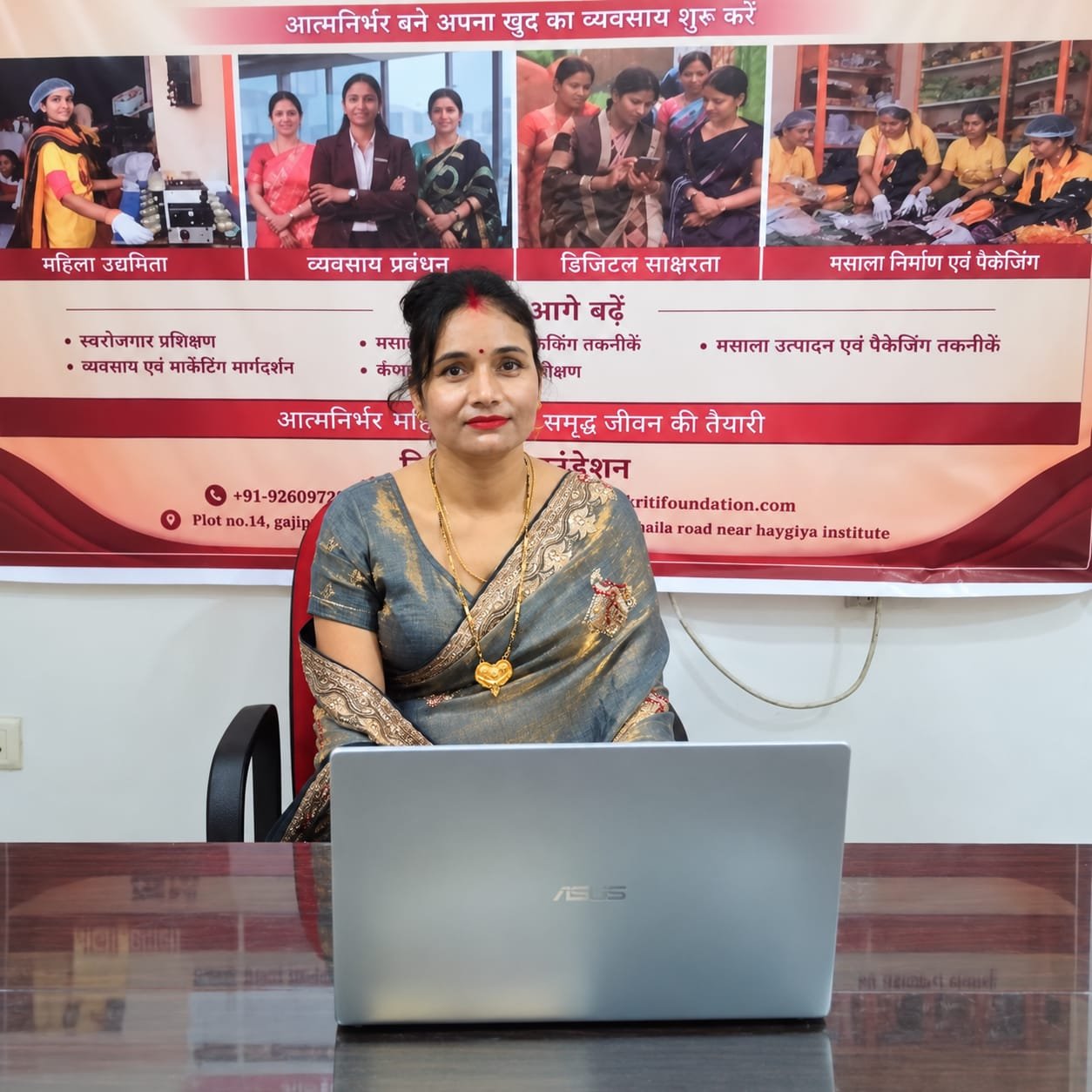 Chairperson
Priyanka Tiwari
Founder & Chairperson — backed the programme and visited the home during the camp.
 CEO
Divakar Nath Tiwari
Chief Executive Officer — led the outreach plan for old-age home mental health.
 Director
Chitra Mishra
Director — worked alongside the team and supported the residents through the session.
 Director
Anjali Jaiswal
Director — coordinated with the home's management and residents' families.
One day, real change
Measured by the team after the session, together with the home's own feedback register.
A day at the old-age home
The full flow of the day, from arrival to the moment we said goodbye.
Arrival & welcome
Team meets the home manager, sets up the activity area with mats, charts and printed material.
Ice-breaking & team introduction
Light music, a simple game and introductions so the women feel safe with new faces.
Mental health awareness session
What depression and anxiety feel like, why they are common in later life, and that they are treatable.
Listening circle & myth-busting
Each woman shares her own experience; the counsellor corrects myths gently and practically.
Lunch & informal interaction
Tea and lunch served together — our team stayed seated with them and kept the conversation going.
Coping techniques practice
Deep breathing, morning routine planning and the worry diary demonstrated and rehearsed together.
Q&A, referrals & goodbye
Referral cards handed out, helpline numbers read out loud, and personal follow-up promised.
What it meant to them
Feedback collected by the home's own staff at the end of the day.
"For the first time in a long time, someone asked how I was feeling and actually listened to the answer. I did not know such a day would come to our home."
"We came to teach mental health, and we left understanding their strength. Every person in that room had survived something we had only read about."
Moments from the day
Real photographs from our visit — tap any image to open it full size.
 01
Opening interactionMeeting the residents one by one
 02
Awareness sessionExplaining depression and anxiety
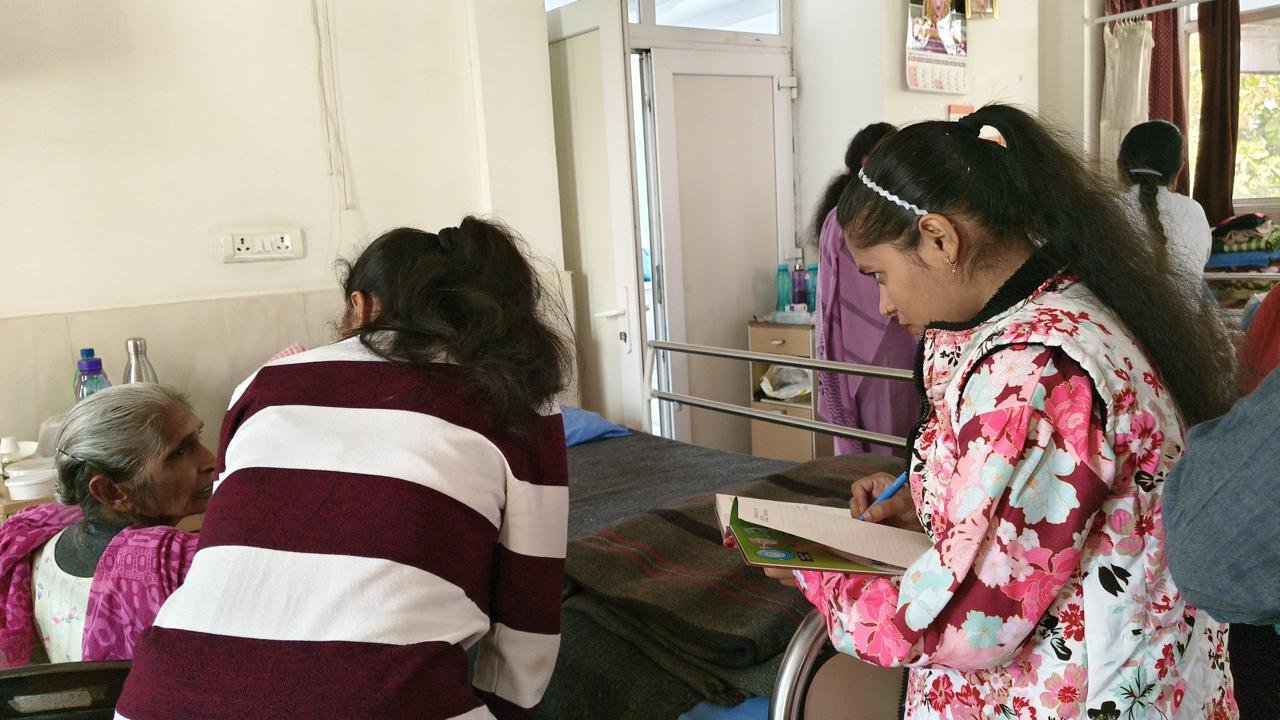 03
Listening circleStories shared, nobody judged
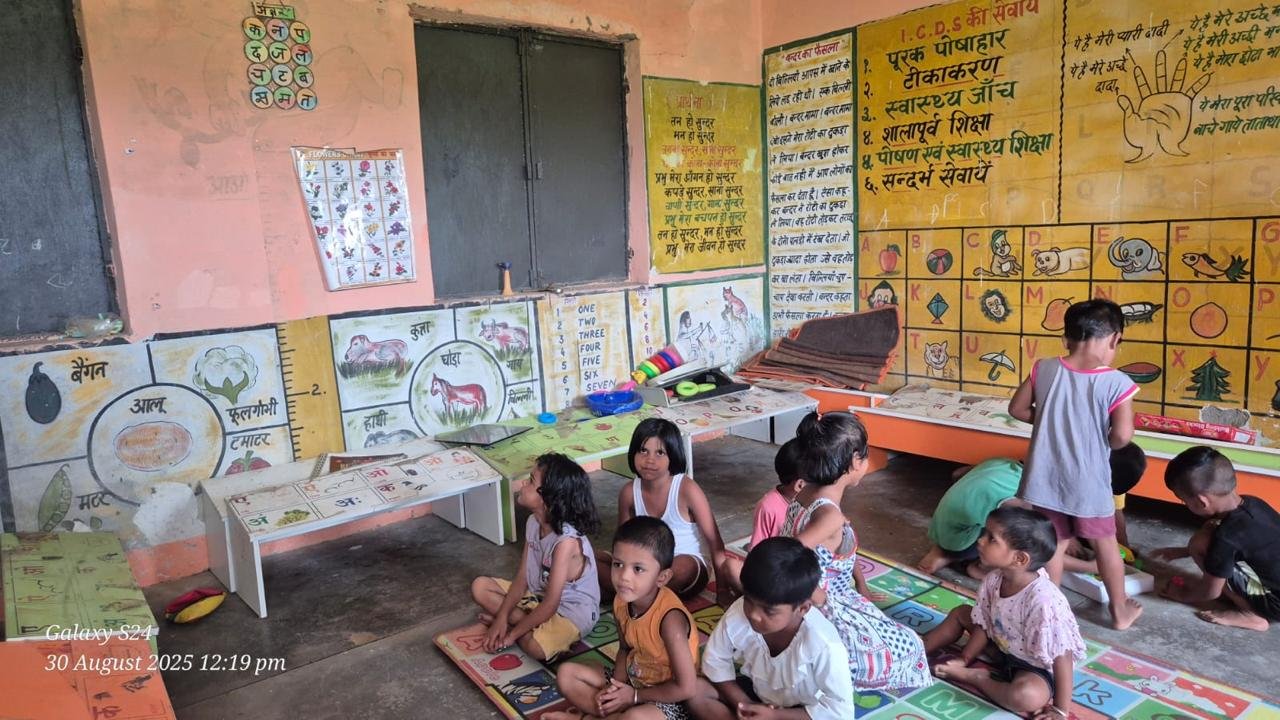 04
Team briefingAligning before we walk in
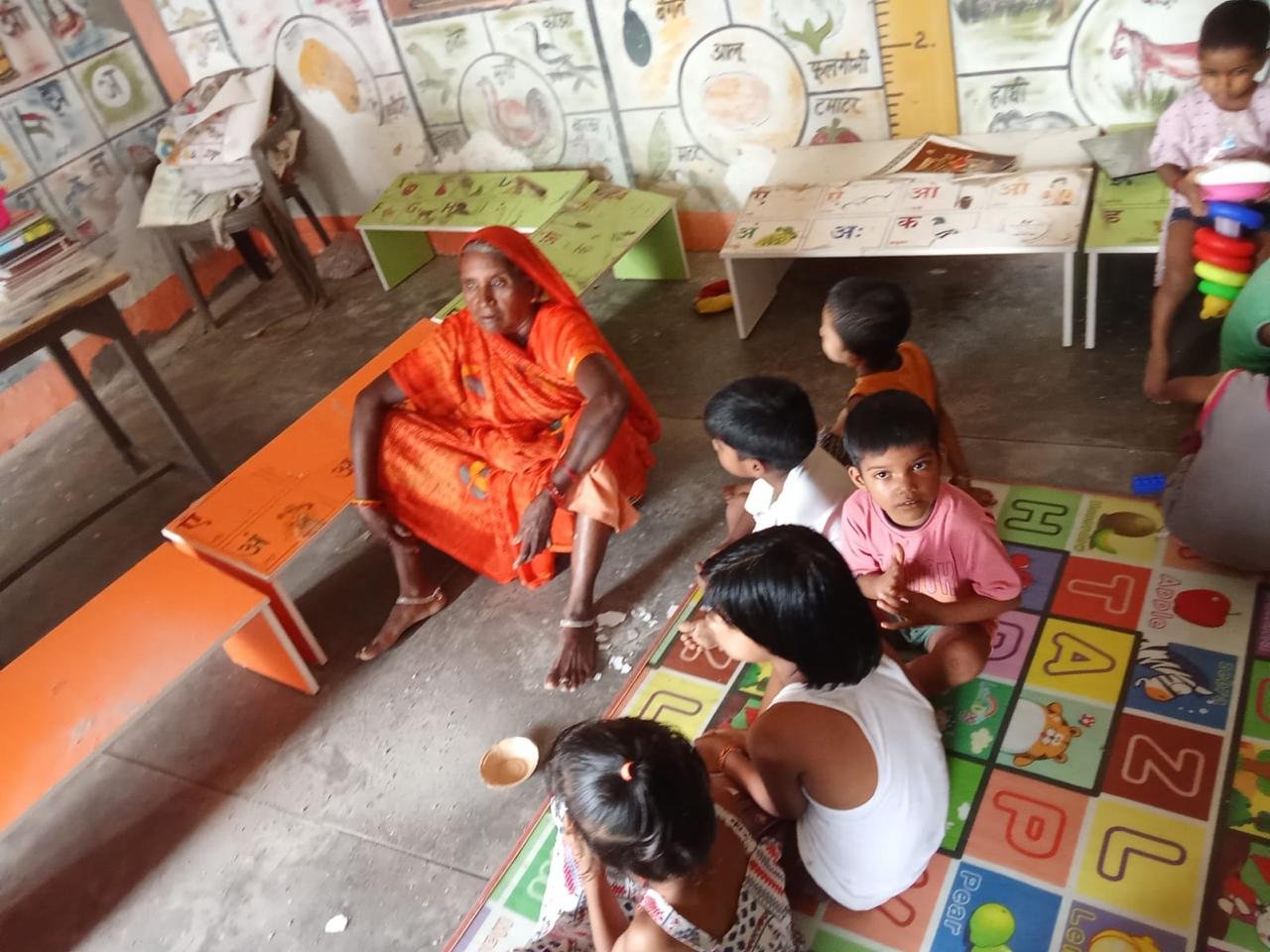 05
Group interactionTalking, laughing, listening
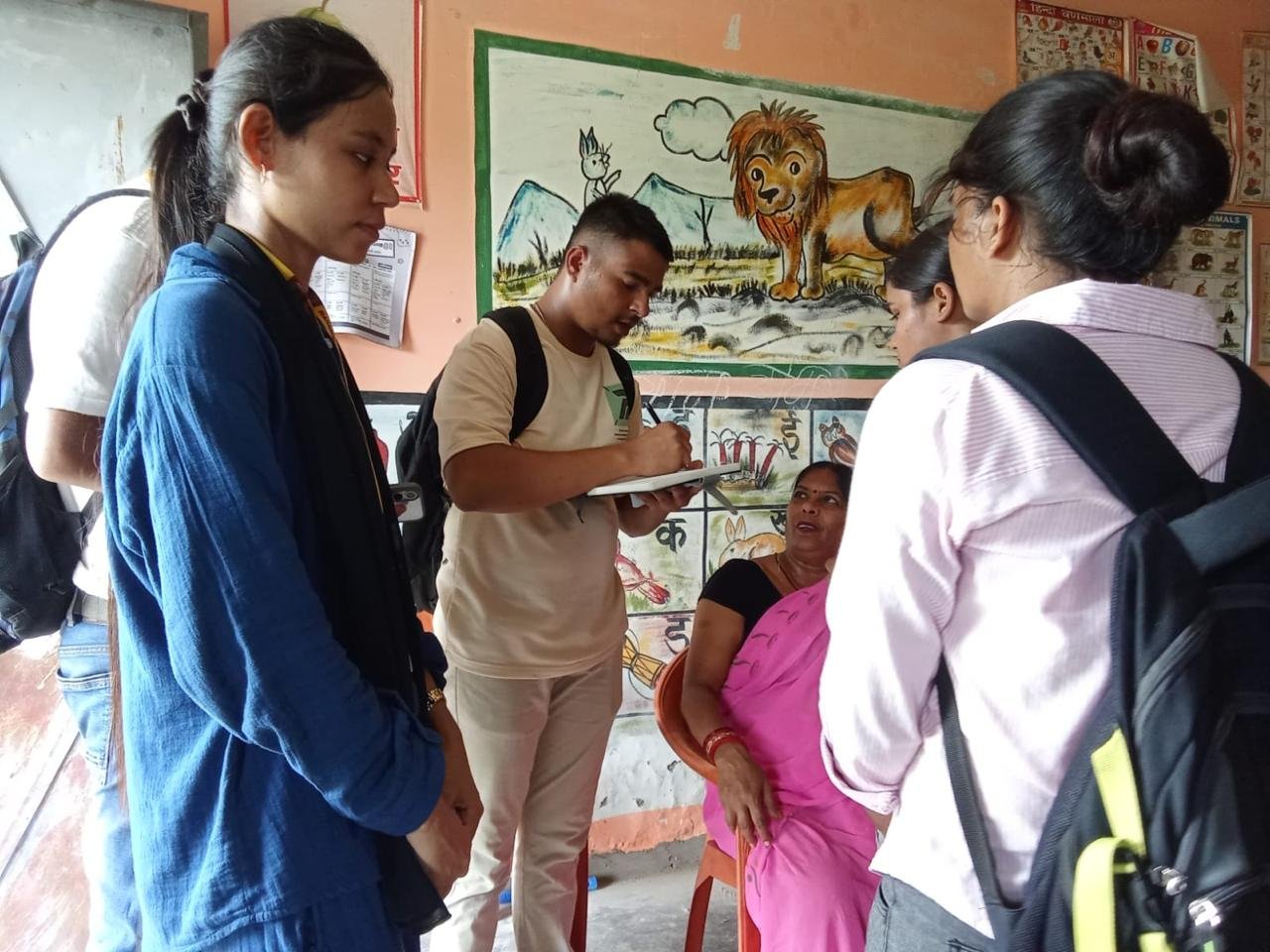 06
One-to-one counsellingPrivate, respectful conversations
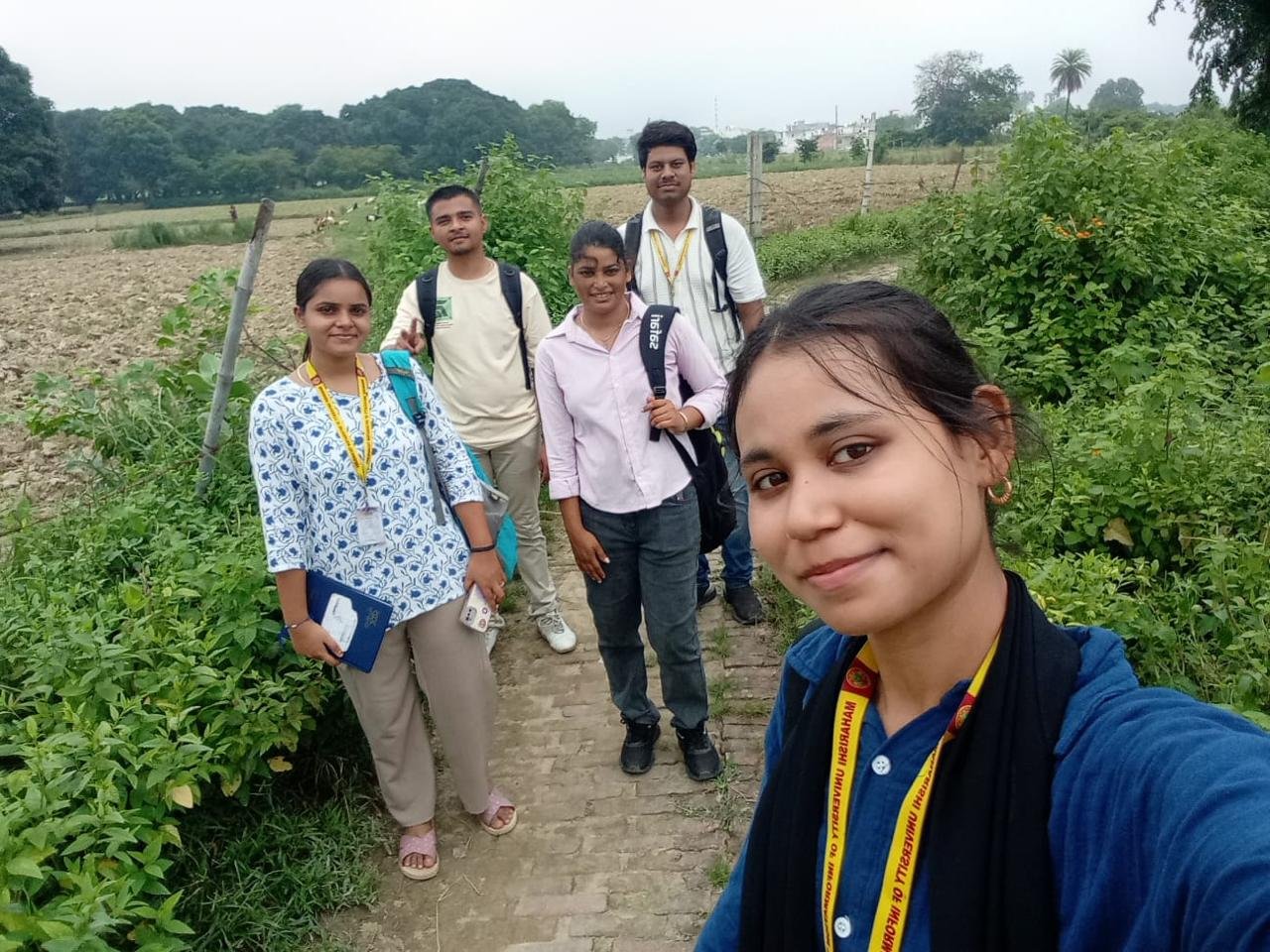 07
Session in progressUnderstanding depression
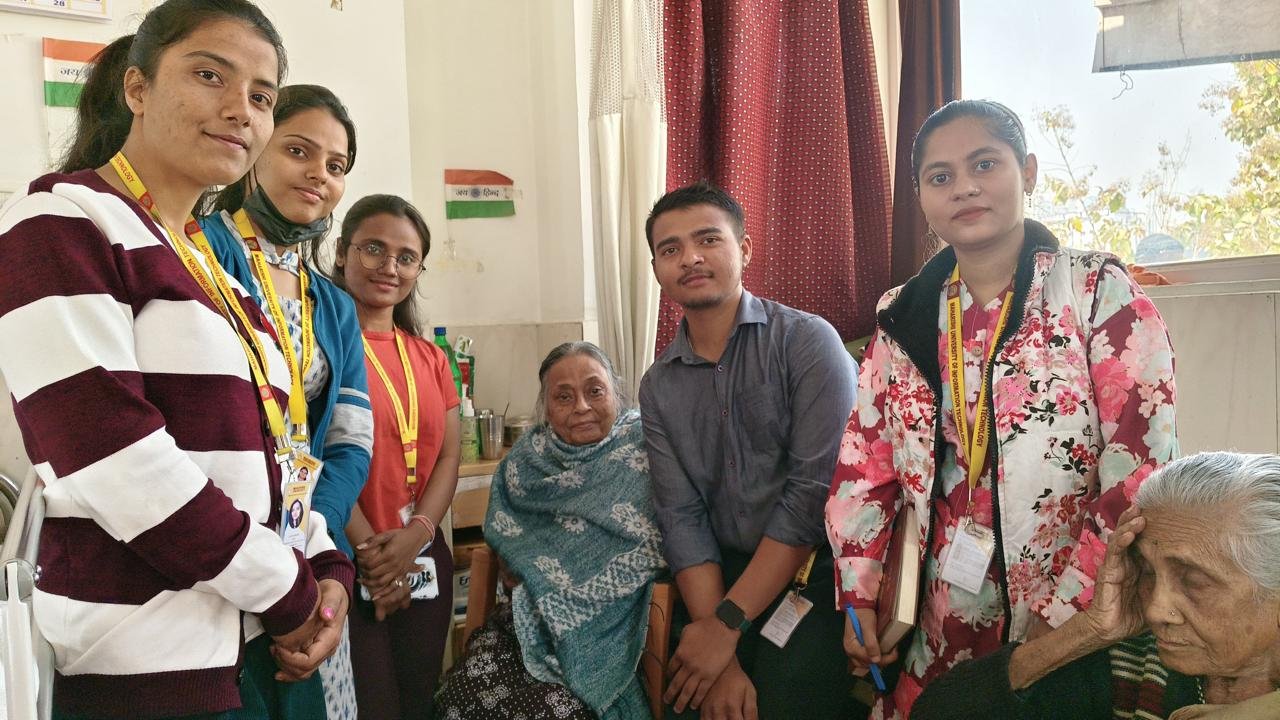 08
With the home's teamPlanning the next visit
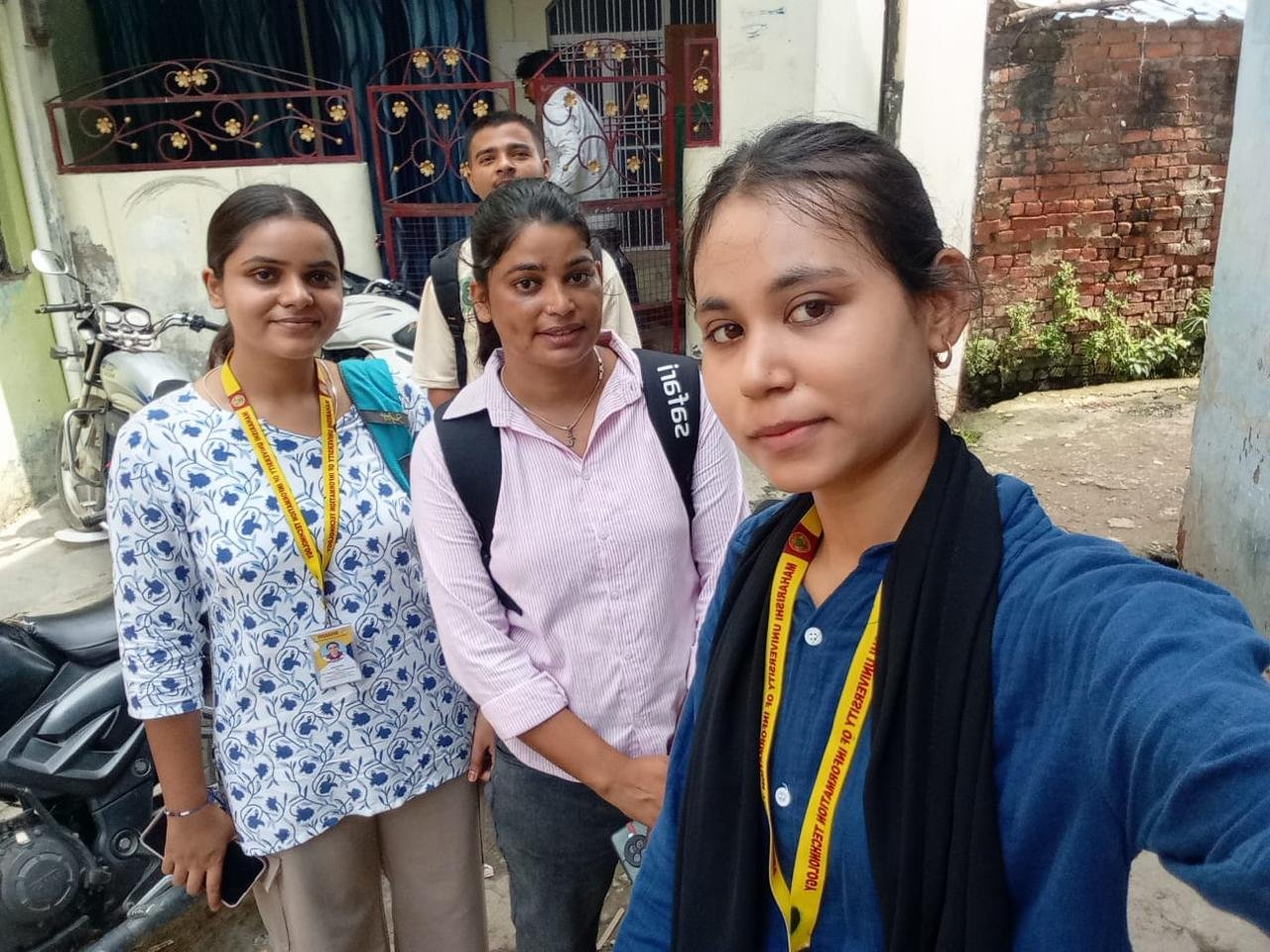 09
Breathing exerciseA technique they can use every day
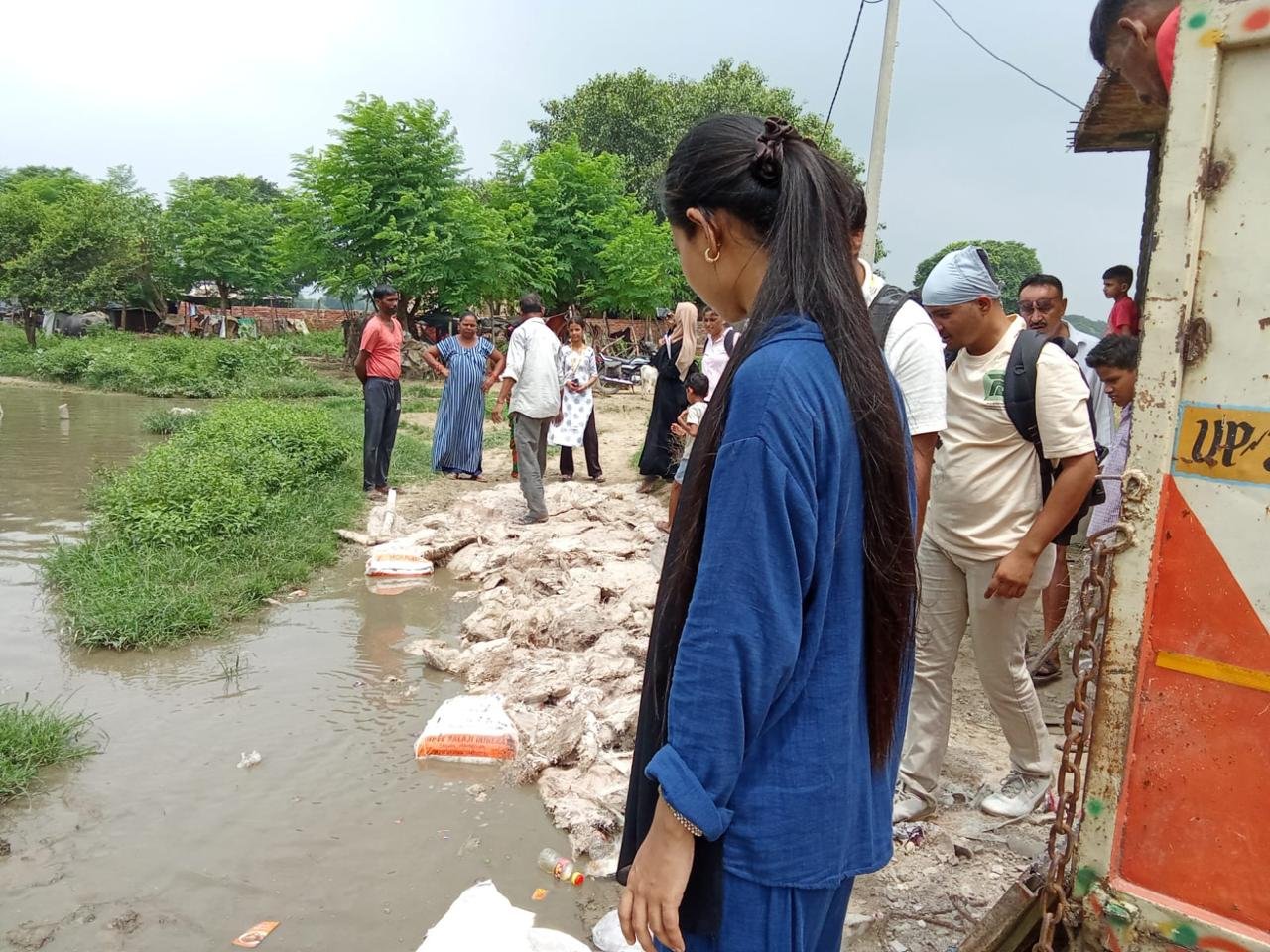 10
Warning signsWhat to watch for, and when to speak up
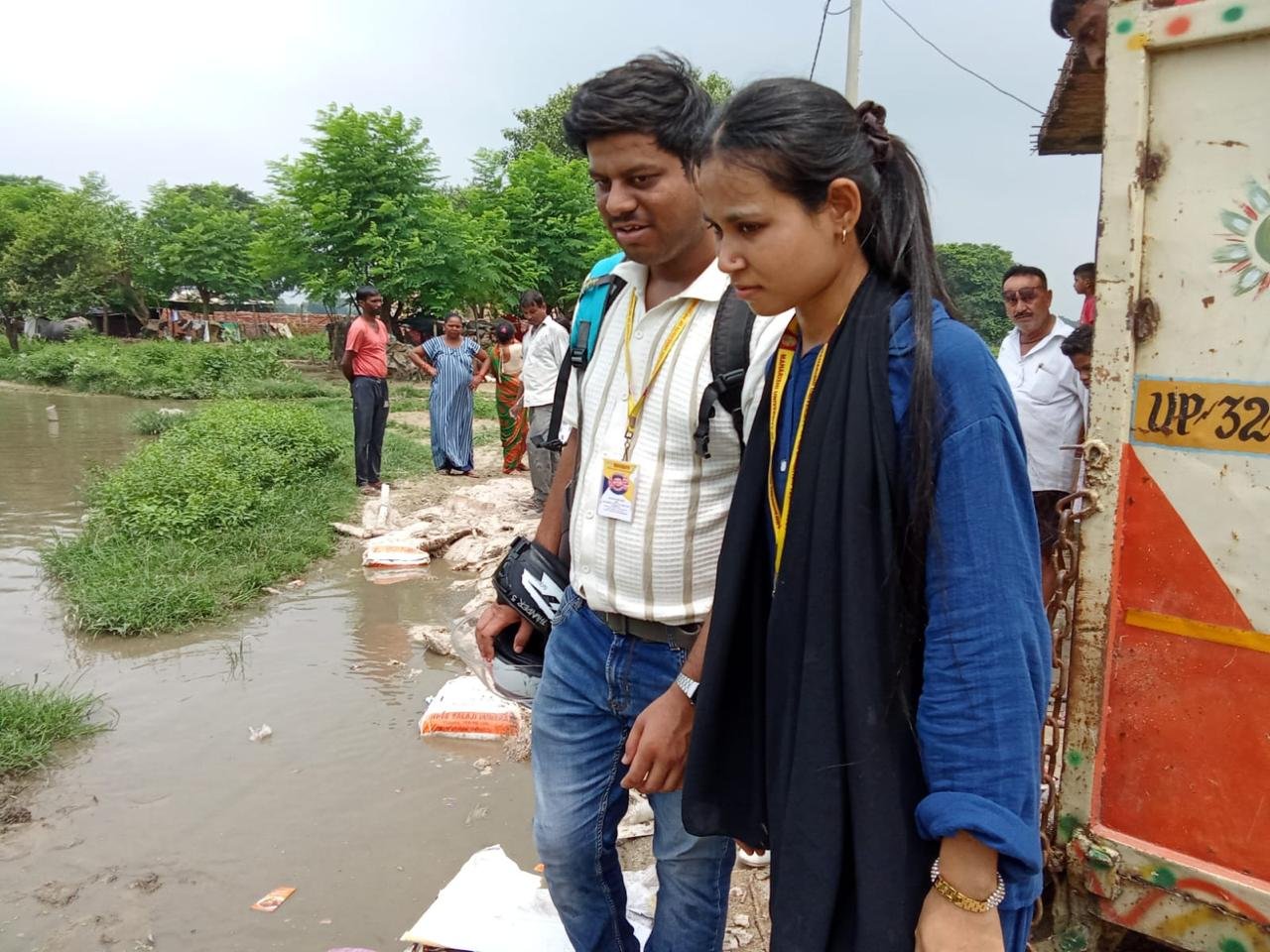 11
Take-home materialHelpline numbers in their hands
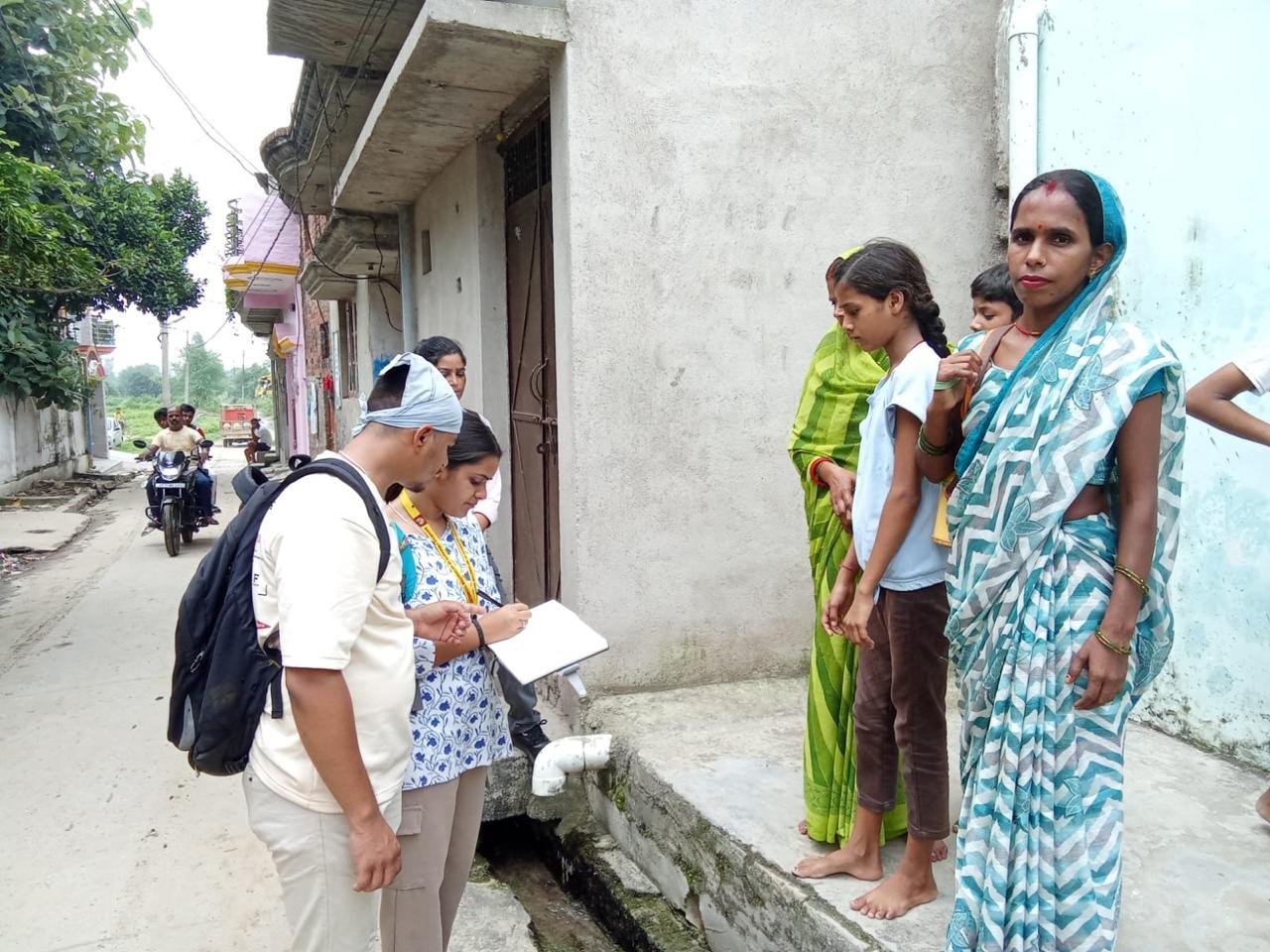 12
Group photographThe team and the residents of the home
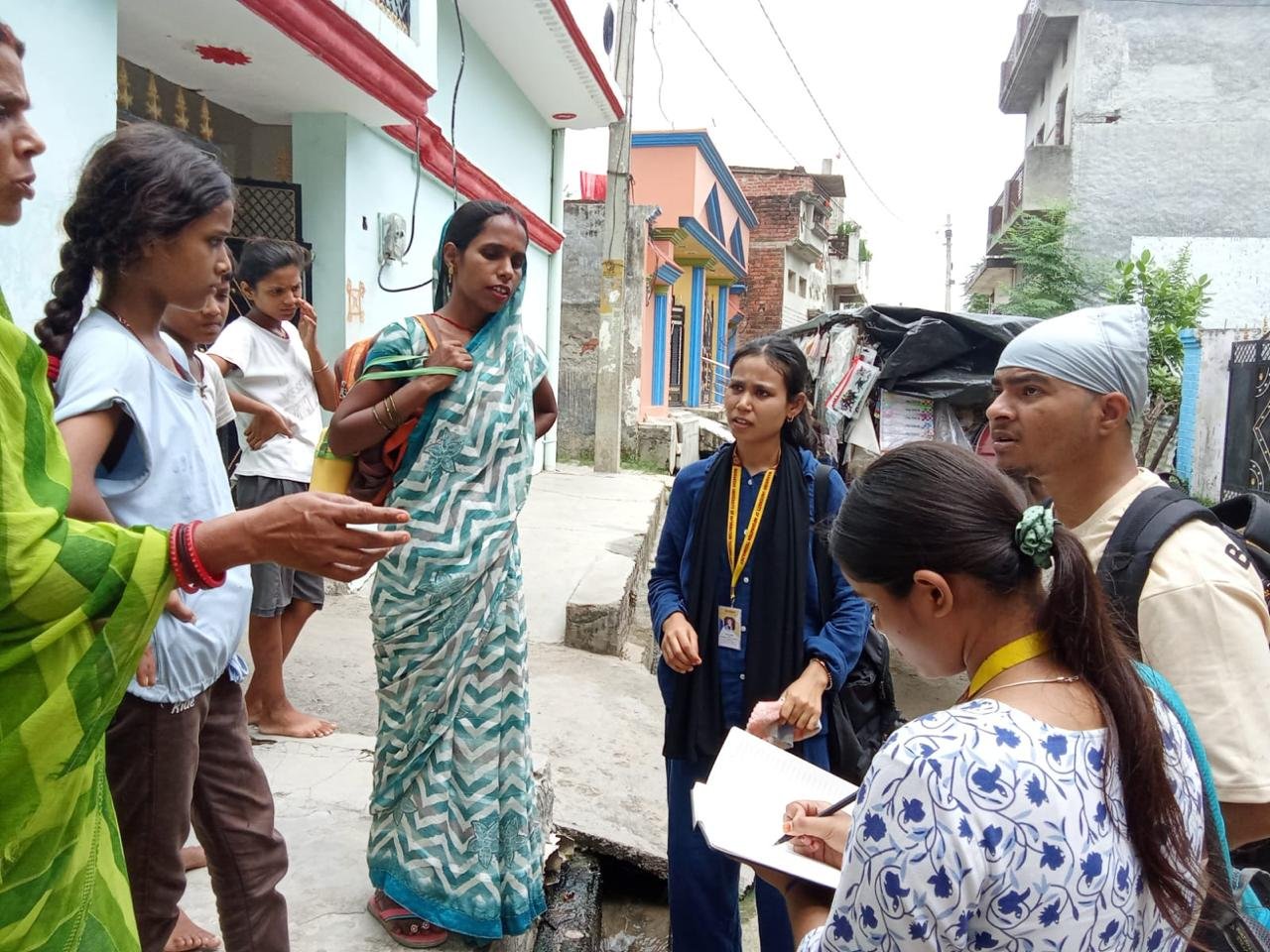 13
Closing talkQuestions from the residents
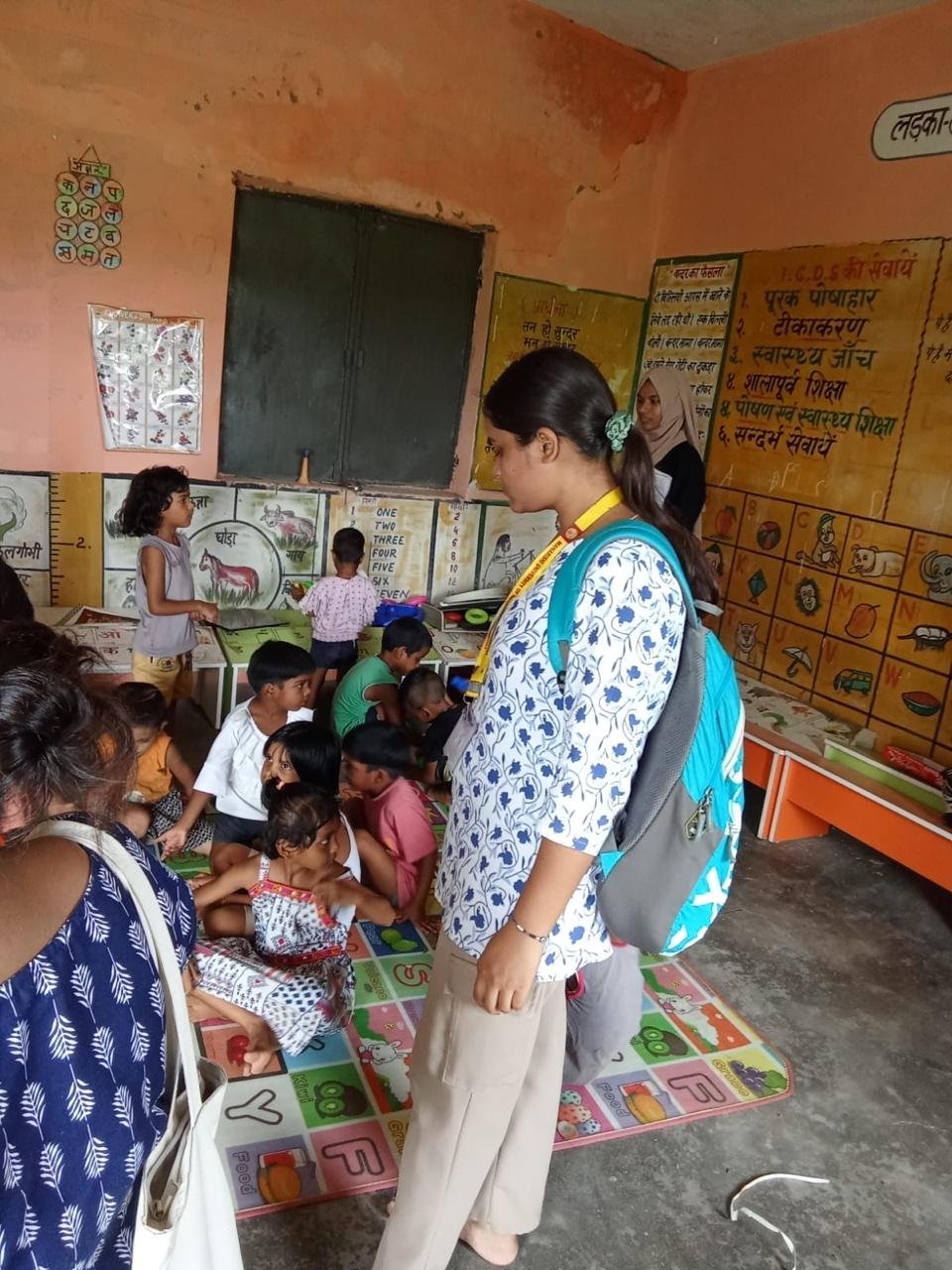 14
Follow-up listWho we will call next week
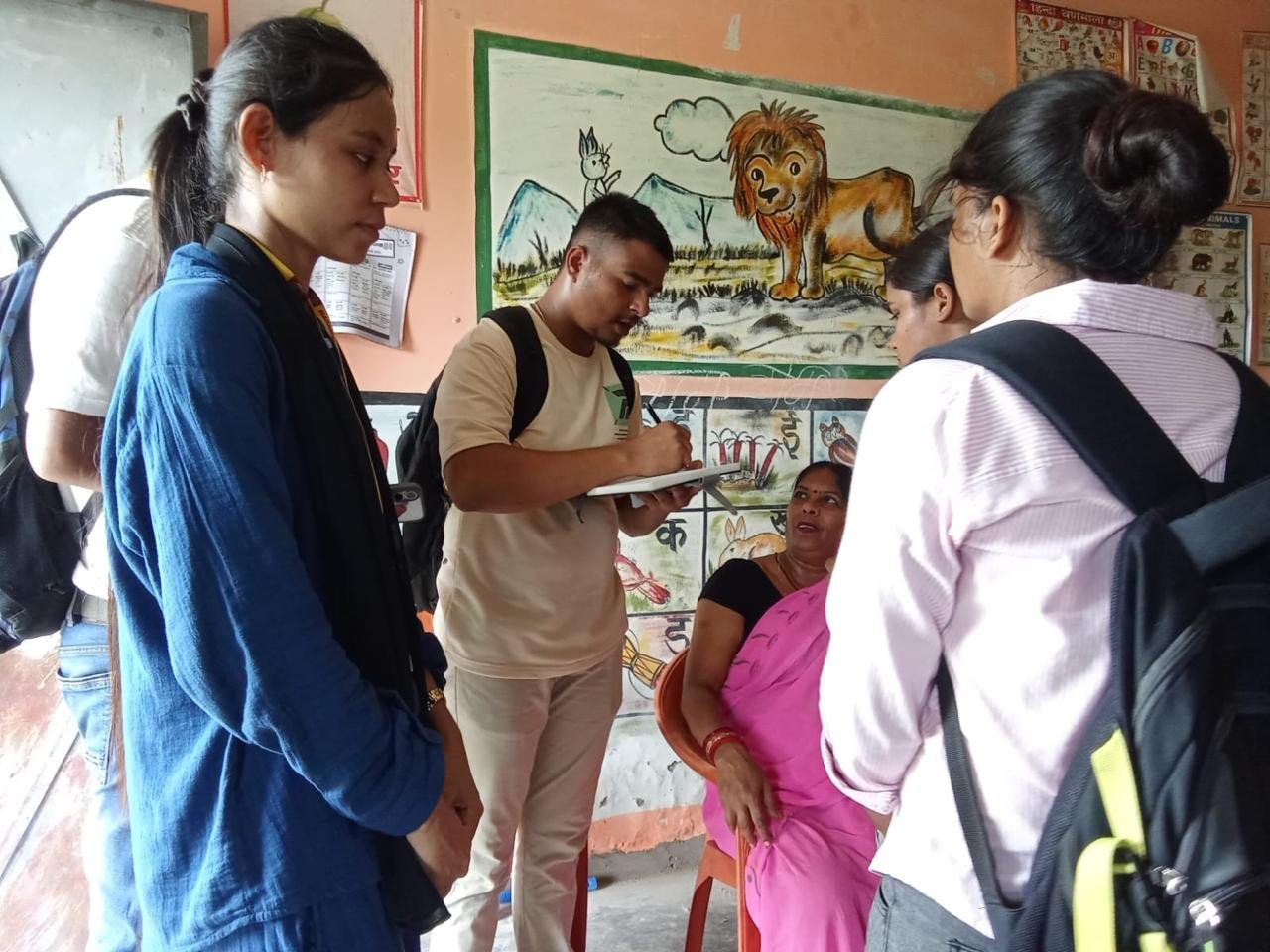 15
Time with residentsNot leaving at 3 PM
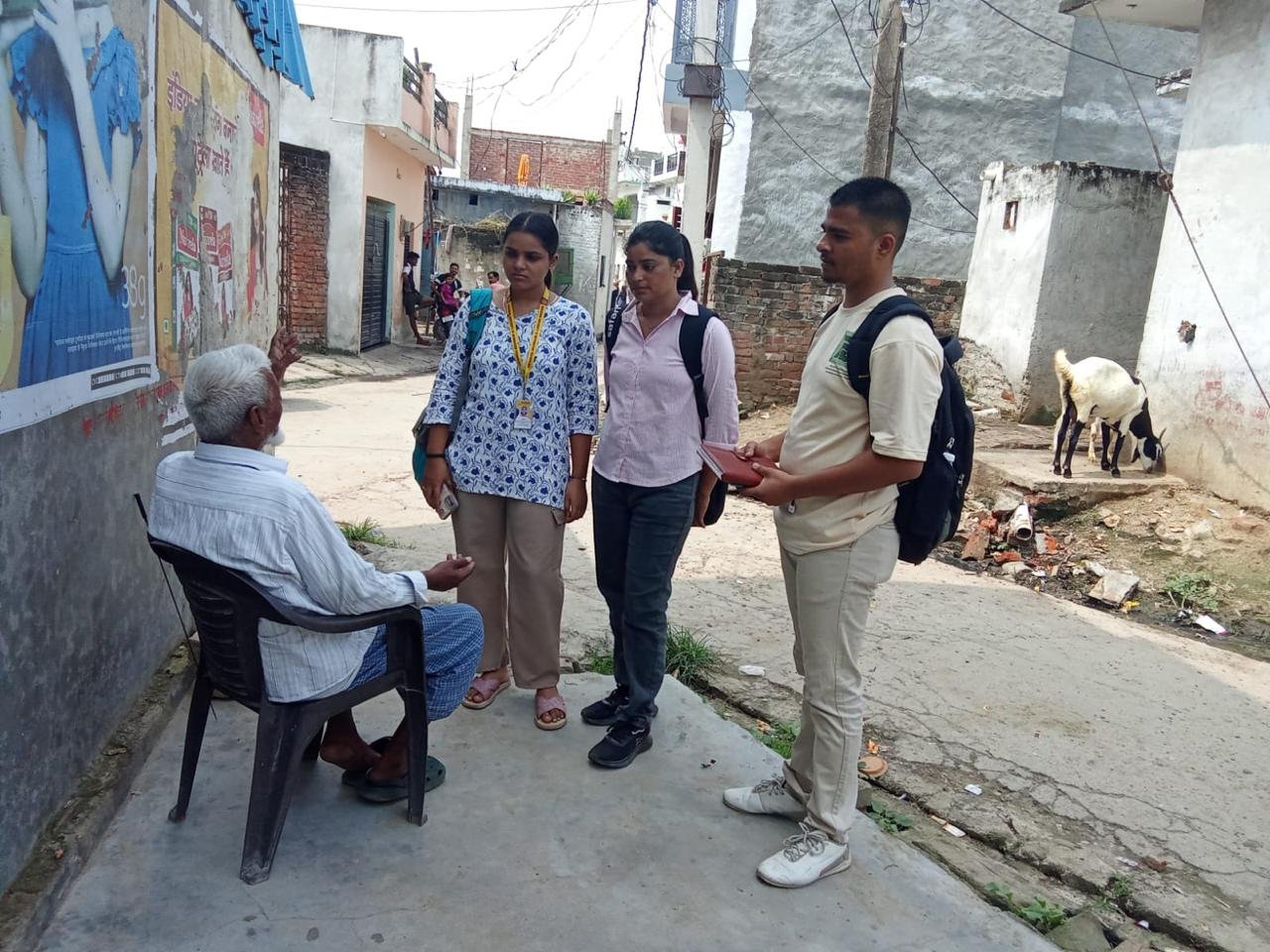 16
Helpline detailsShared in their own language
17
Our residents45+ women took part
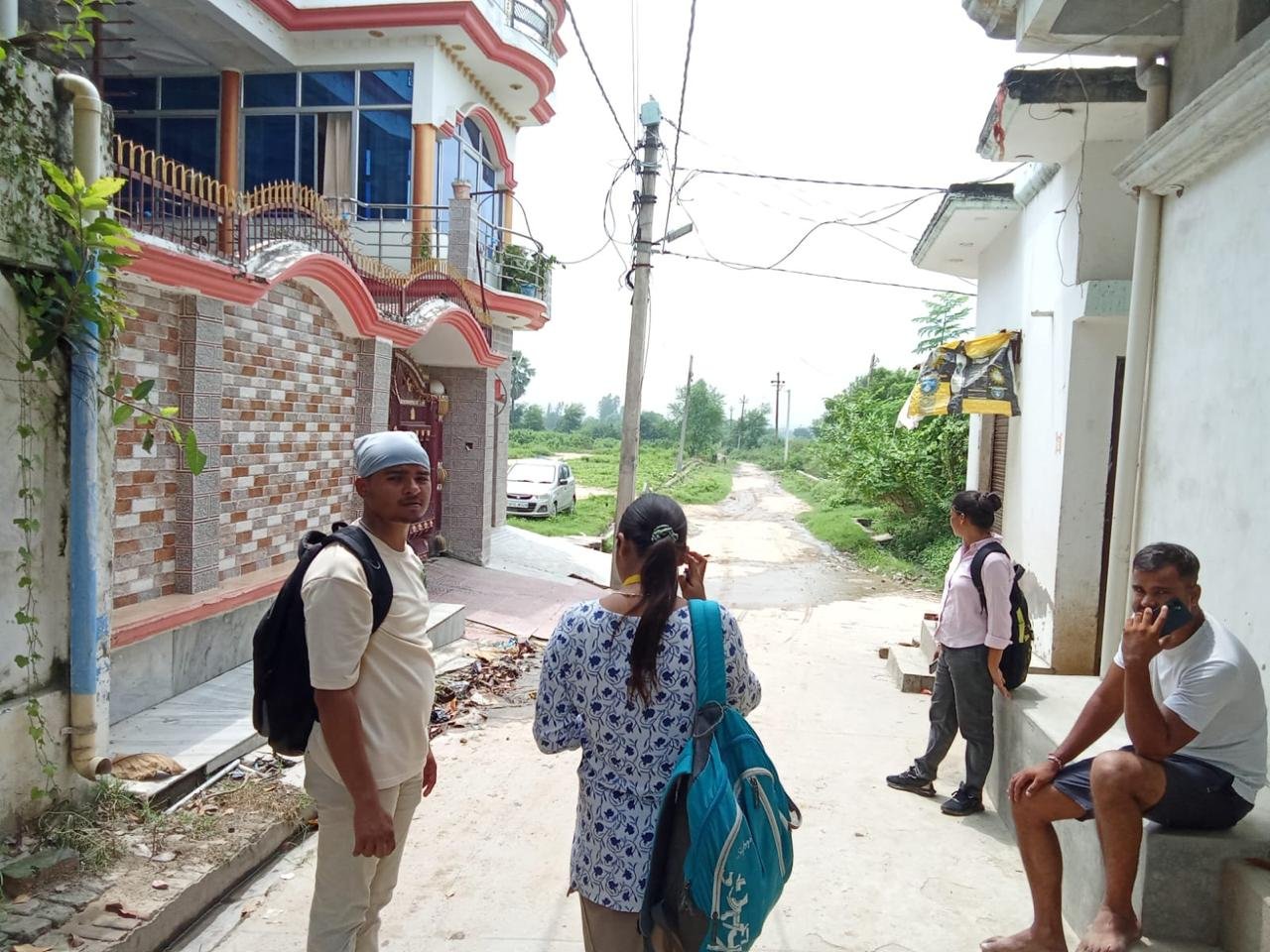 18
Goodbye, for nowWe will be back
Help us reach more women like them
One camp costs very little, but it changes the month for an entire home. Support the next visit — or volunteer a few hours of your time.